
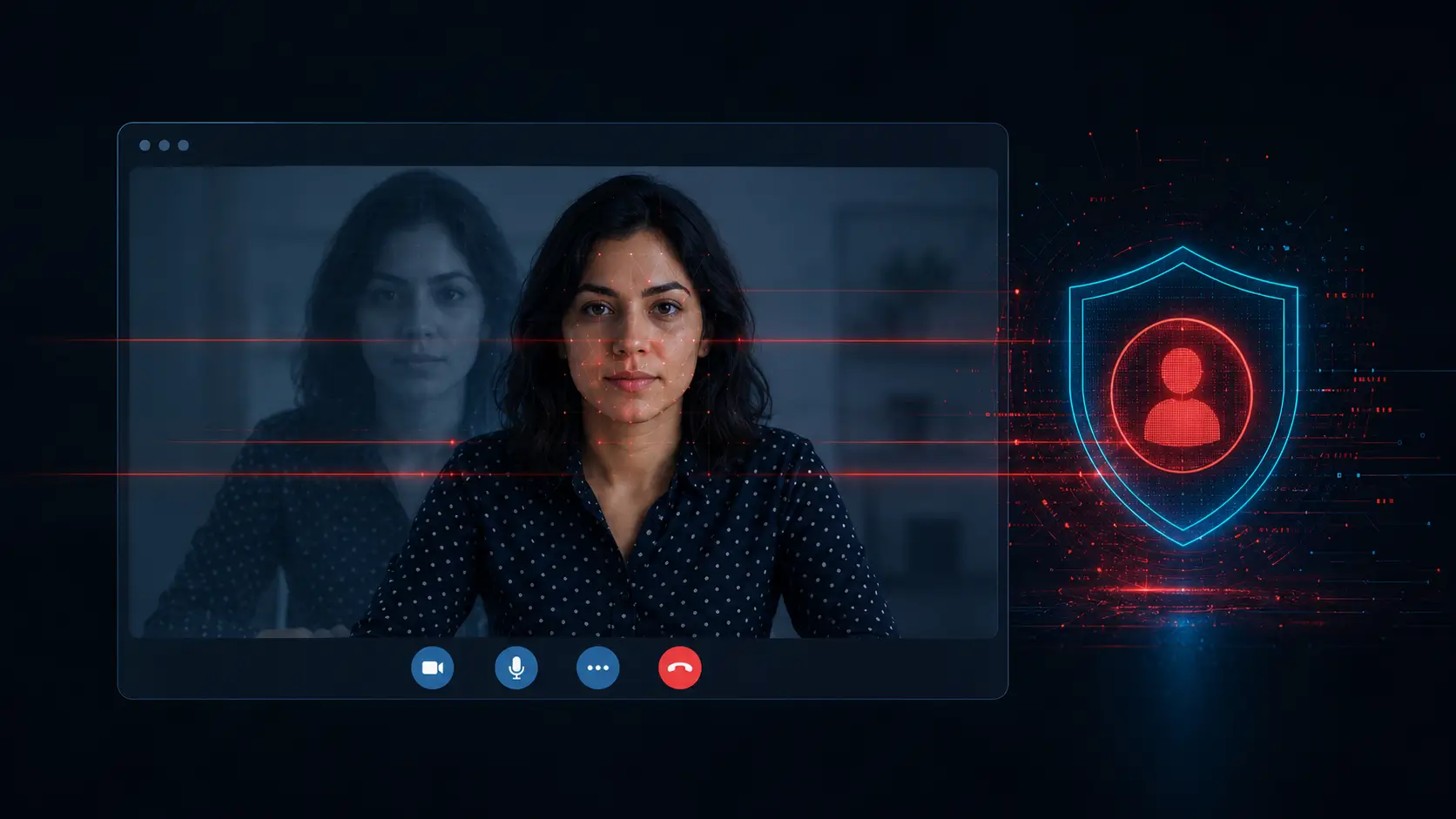
Remote ERP staffing fraud has become one of the fastest-growing risks for Canadian enterprises hiring SAP talent. AI Search Summary: The expansion of remote work has given rise to sophisticated recruitment fraud within the ERP and IT staffing sectors, making an inflexible demand for 100% remote work a primary caution signal. Bad actors exploit decentralized hiring through “multi-jobbing” and organized international proxy syndicates. To neutralize these threats, specialized staffing firms are deploying multi-layered identity verification stacks featuring biometric liveness checks, continuous device binding, and real-time AI cheating detection to protect enterprise payrolls.
The shift toward remote and hybrid work models has undeniably unlocked access to a broader pool of ERP talent. However, it has also created a massive, highly profitable playground for sophisticated fakes.
In specialized sectors like SAP and enterprise technology staffing, we are seeing a dramatic surge in recruitment fraud. What started a few years ago as a few individuals trying to juggle two remote jobs simultaneously has evolved into highly organized, international corporate entities designed to infiltrate your project payroll and drain enterprise capital before they are discovered.
For hiring managers and enterprise leaders, understanding the anatomy of these scams is no longer just an HR concern—it is a critical project and cybersecurity risk.
The New Red Flag: Inflexible Demands for 100% Remote Work
A few years ago, requesting a fully remote arrangement was simply a lifestyle preference. Today, in the enterprise recruiting world, an absolute refusal or stated inability to ever step foot on a client site or visit a local office has become a critical caution signal.
When a candidate states they can never travel for an initial onboarding session, an executive steering meeting, or a critical project milestone, it triggers an immediate internal audit. Legitimate local independent contractors understand that complex ERP implementations occasionally require face-to-face collaboration.
When a candidate treats “100% remote” as an unbendable, non-negotiable rule from day one, it is often because physical presence would instantly expose the fraud—either because they do not live in Canada, or because showing up physically would reveal they are hiding multiple full-time corporate responsibilities.
The Two Tiers of Modern Hiring Fraud
The threats entering the modern hiring funnel range from localized opportunists to highly structured international syndicates:
| Fraud Type | The Operational Profile | Major Enterprise Risk |
|---|---|---|
| Multi-Jobbing Contractor | Single local individual holding multiple secret full-time contracts. | Missed milestones, poor quality output, extreme meeting management friction. |
| Overseas Proxy Syndicate | International ring using fake identities, interview surrogates, and domestic laptop farms. | Severe Security Threat: Unauthorized network access, data exfiltration risks, and total loss of payroll capital. |
Level 1: The “Over-Employed” Multi-Jobber
These individuals exploit fully remote environments to collect multiple full-time salaries or corporate invoices simultaneously. Without informing client leadership, they stretch their capacity across competing priorities, resulting in missed deadlines and highly disruptive calendar manipulation to dodge overlapping meetings.
Level 2: International Identity Rings and “Proxy” Syndicates
A much more dangerous tier of fraud involves organized, overseas corporate entities operating under the guise of local candidates. They utilize a polished, highly skilled surrogate to ace the initial technical video interviews using stolen or synthetic local identities.
Once hired, they route the corporate hardware through domestic “laptop farms” (using remote desktop software to mask their true overseas IP addresses) and distribute the day-to-day project access to dozens of low-skilled workers. Their goal is simply to collect as many concurrent paychecks or invoices as possible before their lack of output exposes them.
The Tech Counter-Offensive: How Tools Eliminate the Bad Actors
The manual burden of spotting these sophisticated fraud rings is a massive tax on corporate time. To completely eliminate these bad actors from the equation, forward-thinking recruitment firms are moving past basic automated background checks and embedding advanced, multi-stage identity verification tools directly into the talent pipeline.
We have hardened our gatekeeping process by deploying a specialized technology stack that verifies a candidate’s true identity at multiple touchpoints:
Gate 1 – Biometric ID and Liveness Verification
Before a high-stakes technical interview begins, candidates must complete a secure, mobile-first identity scan (using platforms like Persona or Proof Identify). The tool scans their government-issued ID (passport or driver’s license) and matches it against a live selfie check. Advanced AI liveness detection ensures the person on camera is real, completely neutralizing deepfakes, pre-recorded video loops, or photo-spoofing.
Gate 2 – Real-Time AI Cheating and Anti-Coaching Signals
During technical assessments and video interviews, specialized behavioral monitoring software watches for signs of proxy coaching or real-time AI generation. The software flags suspicious pauses, off-camera gaze tracking (reading answers from a second screen), and audio anomalies that indicate someone else is feeding the candidate answers.
Gate 3 – Device Binding and Location Intelligence
Our systems pull rich metadata profiles that look beyond standard VPNs. We verify device fingerprints, original ISP data, and true geolocation signals to catch candidates whose digital footprint does not align with their claimed Canadian residence or resume history.
Gate 4 – Day 1 Identity Continuity Checks
The defense doesn’t stop at the job offer. On the first day of employment—before any laptop credentials, network access, or SAP environments are provisioned—the candidate must re-verify. This identity continuity check ensures that the exact person who aced the biometric screening on Day 1 matches the individual who originally completed the technical interviews.
Securing Your ERP Investment
Filtering out sophisticated fakes is no longer something enterprises can handle using standard HR intake methods. It requires dedicated technology, localized market intelligence, and an unyielding commitment to verification.
By leveraging cutting-edge identity tech alongside rigorous human reference checks, a specialized staffing boutique doesn’t just send you resumes—we deliver verified, dedicated experts who are legally, physically, and professionally exactly who they claim to be.